- Like
- SHARE
- Digg
- Del
- Tumblr
- VKontakte
- Flattr
- Buffer
- Love This
- Save
- Odnoklassniki
- Meneame
- Blogger
- Amazon
- Yahoo Mail
- Gmail
- AOL
- Newsvine
- HackerNews
- Evernote
- MySpace
- Mail.ru
- Viadeo
- Line
- Comments
- Yummly
- SMS
- Viber
- Telegram
- JOIN
- Skype
- Facebook Messenger
- Kakao
- LiveJournal
- Yammer
- Edgar
- Fintel
- Mix
- Instapaper
- Copy Link
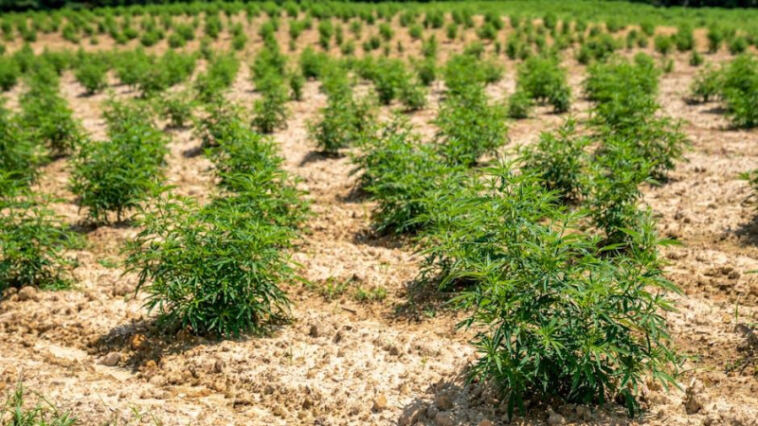
In the serene rolling hills of cannabis country, a complex and contradictory reality unfolds. As the demand for marijuana surges, so too does the environmental impact of its cultivation. Welcome to the green dilemma of cannabis farming, where the pursuit of profit collides with ecological concerns. Let us delve into the intricate web of factors that shape this unfolding narrative, shedding light on the ecological footprint left behind by the booming cannabis industry.
Understanding the Environmental Impact of Cannabis Farming
Cannabis farming has been on the rise in recent years, with the legalization of marijuana in many states leading to an increase in cultivation. However, this booming industry comes with a significant environmental impact that cannot be ignored. The process of growing cannabis involves a number of factors that contribute to its ecological footprint, making it crucial for us to understand the implications of this industry on the environment.
One of the primary concerns surrounding cannabis farming is the excessive water usage. Cannabis plants require a significant amount of water to grow, and outdoor cultivation can lead to water scarcity in certain regions. In addition, the use of pesticides and fertilizers in the cultivation process can lead to water pollution, affecting local ecosystems and wildlife. It is important for farmers to implement sustainable practices to minimize water usage and environmental contamination.
Another environmental issue associated with cannabis farming is energy consumption. Indoor grow operations often rely on artificial lighting, heating, and cooling systems, which can contribute to a high carbon footprint. Implementing energy-efficient technologies such as LED lighting and solar power can help reduce the environmental impact of cannabis cultivation. By addressing these environmental challenges, the cannabis industry can work towards a more sustainable future for both the plant and the planet.
Uncovering the Energy Consumption of Indoor Cultivation
The indoor cultivation of cannabis has become increasingly popular in recent years, with more and more growers turning to controlled environments to maximize yields and quality. However, what many fail to consider is the significant energy consumption associated with indoor farming practices. The energy footprint of indoor cultivation can be substantial, posing a green dilemma for the cannabis industry.
One key factor contributing to the high energy consumption of indoor cultivation is the use of artificial lighting. Cannabis plants require specific light cycles to grow and flower properly, leading growers to rely on high-intensity lights such as HPS and LED fixtures. These lights consume a significant amount of electricity, driving up energy costs and contributing to the industry’s ecological footprint.
In addition to lighting, indoor cannabis cultivation also requires heating, ventilation, and air conditioning (HVAC) systems to maintain optimal growing conditions. These systems not only consume large amounts of energy but also emit greenhouse gases, further exacerbating the environmental impact of indoor farming. As the demand for cannabis continues to rise, it is essential for growers to explore more sustainable cultivation methods to minimize their ecological footprint.
Exploring Water Usage and Pollution in Cannabis Production
One of the biggest challenges facing the cannabis industry today is the environmental impact of cultivation. The water usage and pollution associated with cannabis production have raised concerns about the industry’s ecological footprint. As the demand for cannabis continues to rise, so does the need for sustainable farming practices to minimize the negative effects on the environment.
Water Usage in Cannabis Production:
With a high demand for water in the cultivation of cannabis plants, growers often face challenges in managing their water usage effectively. The irrigation of cannabis crops can lead to water wastage and depletion of local water sources. Implementing efficient watering techniques, such as drip irrigation systems and rainwater harvesting, can help reduce water consumption and minimize the environmental impact.
Pollution from Cannabis Farming:
In addition to water usage, pollution from cannabis farming poses a significant threat to the environment. The use of pesticides and fertilizers can contaminate soil and water sources, leading to negative effects on ecosystems and wildlife. Adopting organic farming practices and utilizing natural pest control methods can help reduce pollution and promote a more sustainable approach to cannabis cultivation.
Addressing Sustainability Challenges and Promoting Eco-Friendly Practices
As the demand for cannabis continues to rise, so do concerns about its environmental impact. The cultivation of cannabis can have a significant ecological footprint, with some estimates suggesting that it takes as much as 6,000 liters of water to produce just 1 kilogram of cannabis. This has led to calls for the industry to adopt more sustainable practices to minimize its environmental impact.
One of the biggest challenges is the energy consumption associated with indoor cannabis cultivation. Indoor grow facilities require large amounts of electricity to power grow lights, ventilation systems, and climate control equipment. This not only contributes to greenhouse gas emissions but also puts a strain on local energy grids. Finding ways to reduce energy consumption, such as using LED lights and solar power, is crucial in addressing this issue.
Another concern is the use of pesticides and fertilizers in cannabis farming, which can have negative effects on soil health and water quality. Adopting organic farming practices and implementing integrated pest management techniques can help minimize the use of harmful chemicals and promote a healthier ecosystem. By prioritizing sustainability and eco-friendly practices, the cannabis industry can work towards reducing its environmental impact and promoting a greener future.
Implementing Strategies for Reducing Carbon Footprint in the Cannabis Industry
In the quest to reduce the carbon footprint of the cannabis industry, implementing sustainable strategies is crucial. One approach is to incorporate renewable energy sources such as solar power or wind power in cannabis farming operations. By harnessing the power of these clean energy sources, cannabis farms can significantly decrease their reliance on fossil fuels and reduce greenhouse gas emissions.
Another effective strategy for reducing the ecological footprint of the cannabis industry is to implement water conservation practices. This can include using drip irrigation systems, collecting rainwater for irrigation, and recycling water within the cultivation facility. By optimizing water usage, cannabis farms can minimize water waste and decrease their overall environmental impact.
Additionally, utilizing organic farming practices can help reduce the carbon footprint of the cannabis industry. By avoiding synthetic fertilizers and pesticides, cannabis farmers can protect the health of the soil and surrounding ecosystem. Organic farming also promotes biodiversity and soil health, which can contribute to a more sustainable and eco-friendly cannabis cultivation process. By adopting these strategies, the cannabis industry can work towards a more environmentally conscious future.
Q&A
Q: What does the term “ecological footprint” refer to in relation to cannabis farming?
A: The term “ecological footprint” refers to the impact on the environment caused by the cultivation of cannabis, including factors like water usage, electricity consumption, and carbon emissions.
Q: How does cannabis farming contribute to environmental degradation?
A: Cannabis farming contributes to environmental degradation through the use of pesticides, water depletion, and deforestation for cultivation.
Q: What are some sustainable practices that can be implemented in cannabis farming?
A: Sustainable practices in cannabis farming include utilizing organic and biodynamic farming methods, implementing water conservation techniques, and utilizing renewable energy sources for cultivation.
Q: How can consumers support environmentally-friendly cannabis products?
A: Consumers can support environmentally-friendly cannabis products by choosing brands that prioritize sustainable farming practices and sourcing products from suppliers that adhere to environmentally-conscious principles.
Q: What are the potential long-term implications of the ecological footprint of cannabis farming?
A: The potential long-term implications of the ecological footprint of cannabis farming include soil degradation, water scarcity, and negative impacts on biodiversity if unsustainable practices are not addressed.
Closing Remarks
In conclusion, the green dilemma of cannabis farming’s ecological footprint presents complex challenges that require thoughtful consideration and innovative solutions. As the industry continues to grow, it is crucial to prioritize sustainability and environmental stewardship in order to mitigate the negative impacts on our planet. By addressing the unique challenges and opportunities of cannabis cultivation, we can work towards creating a more sustainable and environmentally-friendly future for this burgeoning industry. Together, we have the power to make a positive impact and ensure that cannabis farming leaves a smaller ecological footprint on our planet. Let’s strive to find a balance between growth and preservation as we navigate the green dilemma of cannabis farming.