- Like
- SHARE
- Digg
- Del
- Tumblr
- VKontakte
- Flattr
- Buffer
- Love This
- Save
- Odnoklassniki
- Meneame
- Blogger
- Amazon
- Yahoo Mail
- Gmail
- AOL
- Newsvine
- HackerNews
- Evernote
- MySpace
- Mail.ru
- Viadeo
- Line
- Comments
- Yummly
- SMS
- Viber
- Telegram
- JOIN
- Skype
- Facebook Messenger
- Kakao
- LiveJournal
- Yammer
- Edgar
- Fintel
- Mix
- Instapaper
- Copy Link
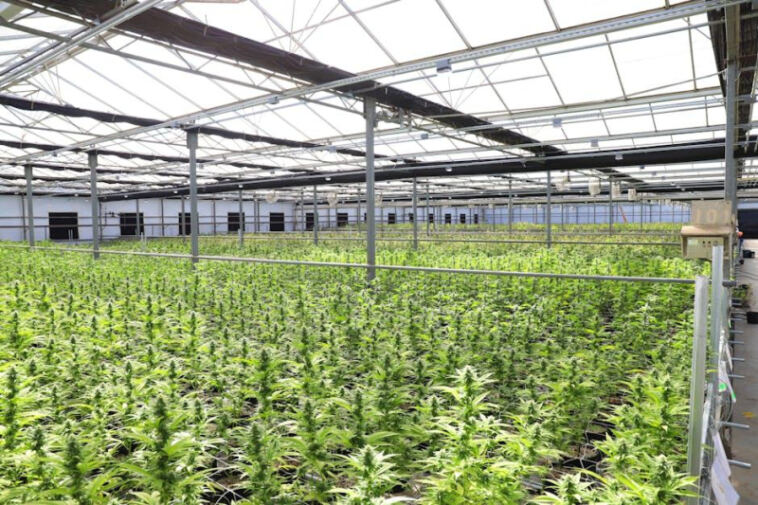
In a world where environmental sustainability is becoming increasingly valued, the cannabis industry is no exception. As the demand for cannabis continues to rise, so does the importance of implementing sustainable cultivation methods. From energy-efficient lighting systems to water conservation techniques, “Green Growing” is revolutionizing the way cannabis is produced. Explore the innovative and eco-friendly practices shaping the future of cannabis cultivation in this in-depth look at sustainable methods in the industry.
Heading 1: Harnessing the Power of Organic Practices in Cannabis Cultivation
Harnessing the power of organic practices in cannabis cultivation is essential for sustainable and environmentally friendly growth. By utilizing natural methods such as composting, cover cropping, and natural pest control, growers can minimize their impact on the planet while producing high-quality cannabis products.
One of the key benefits of organic cultivation is the preservation of soil health. By avoiding synthetic fertilizers and pesticides, growers can maintain a healthy and diverse soil microbiome, which is essential for the long-term sustainability of their operation. Healthy soil leads to healthy plants, which in turn produce higher yields and superior quality cannabis.
Implementing organic practices also contributes to the overall health and wellness of consumers. By avoiding harmful chemicals and toxins in the cultivation process, growers can ensure that their products are safe for consumption and free from any harmful residues. This commitment to sustainability and safety sets organic cannabis apart in a competitive market, attracting environmentally conscious consumers.
Heading 2: Integrating Renewable Energy Sources for Sustainable Grow Operations
When it comes to sustainable cannabis cultivation, integrating renewable energy sources is key to reducing the environmental impact of grow operations. By harnessing the power of solar panels, wind turbines, and other renewable energy sources, growers can significantly decrease their carbon footprint and operate more sustainably.
One of the most effective ways to incorporate renewable energy into grow operations is through the use of solar panels. These panels can be installed on the roof of the cultivation facility to capture sunlight and convert it into electricity. By utilizing solar power, growers can reduce their reliance on fossil fuels and decrease their overall energy costs.
In addition to solar power, wind turbines can also be utilized to generate renewable energy for grow operations. By harnessing the power of wind, growers can further reduce their reliance on non-renewable energy sources and contribute to a more sustainable future for the cannabis industry. By integrating renewable energy sources into their operations, growers can take a significant step towards greener, more environmentally friendly cultivation practices.
Heading 3: Implementing Water-Efficient Techniques in Cannabis Farming
Implementing water-efficient techniques in cannabis farming is crucial for sustainable cultivation practices. By utilizing innovative methods, growers can reduce water consumption and minimize environmental impact. One effective technique is drip irrigation, which delivers water directly to the roots of plants, minimizing waste and optimizing nutrient uptake. Additionally, utilizing mulch or cover crops can help retain moisture in the soil, reducing the need for frequent watering.
Incorporating rainwater harvesting systems can further enhance water efficiency in cannabis farming. By collecting and storing rainwater, growers can reduce reliance on traditional water sources, such as wells or municipal supplies. This not only conserves water but also helps to lower operational costs. Implementing proper irrigation scheduling based on plant needs and weather conditions can also optimize water usage, ensuring that plants receive the right amount of water at the right time.
Furthermore, incorporating sustainable practices such as composting organic waste and using natural fertilizers can improve soil health and water retention capacity. By creating a closed-loop system within the cultivation operation, growers can minimize waste and promote a more eco-friendly approach to cannabis farming. Embracing water-efficient techniques not only benefits the environment but also promotes healthier plant growth and higher yields in the long run.
Heading 4: Maximizing Crop Yield Through Closed-Loop Systems and Waste Reduction
Sustainable cannabis cultivation methods are gaining traction in the industry, with a focus on maximizing crop yield through closed-loop systems and waste reduction. By implementing innovative techniques and technologies, growers can minimize environmental impact while increasing productivity.
One approach to achieving sustainable cannabis cultivation is through the use of closed-loop systems, such as aquaponics and hydroponics. These systems allow for efficient water usage and nutrient recycling, resulting in higher yields with fewer resources. By circulating water and nutrients in a closed loop, growers can reduce waste and improve overall plant health.
Furthermore, waste reduction plays a crucial role in sustainable cultivation practices. By composting plant material and utilizing organic waste for nutrient-rich soil amendments, growers can close the loop on their operations and minimize their ecological footprint. Embracing a circular economy approach benefits both the environment and the bottom line.
Heading 5: Utilizing Innovative Technologies for Eco-Friendly Pest Management in Cannabis Farms
When it comes to sustainable cannabis cultivation, utilizing innovative technologies for eco-friendly pest management is a game-changer. By implementing cutting-edge solutions, cannabis farms can minimize their environmental impact while maintaining high crop yields. One key technology that is revolutionizing pest management in cannabis farms is the use of biological controls. These natural predators and pathogens can help control pest populations without the need for harmful chemicals.
Another innovative technology that is gaining popularity in eco-friendly pest management is the use of smart sensors and monitoring systems. These devices can collect real-time data on environmental conditions and pest activity, allowing farmers to take proactive measures to prevent infestations. By leveraging the power of data and automation, cannabis farms can effectively manage pests while reducing the use of pesticides.
To further enhance sustainability in cannabis cultivation, some farms are exploring the use of integrated pest management (IPM) strategies. These holistic approaches combine various pest control methods, such as biological controls, cultural practices, and physical barriers, to create a balanced ecosystem that naturally deters pests. By embracing eco-friendly pest management practices, cannabis farms can not only protect the environment but also produce higher-quality and safer products for consumers.
Q&A
Q: What is sustainable cannabis cultivation?
A: Sustainable cannabis cultivation refers to growing marijuana in a way that minimizes negative environmental impacts.
Q: Why is sustainable cannabis cultivation important?
A: Sustainable cannabis cultivation is important because conventional growing methods can have harmful effects on the environment, such as excessive water and energy use, soil degradation, and chemical pollution.
Q: What are some sustainable cultivation methods that can be used in cannabis farming?
A: Some sustainable cultivation methods include using organic fertilizers, natural pest control methods, rainwater harvesting, and energy-efficient lighting systems.
Q: How can sustainable cannabis cultivation benefit both the environment and the consumer?
A: Sustainable cannabis cultivation benefits the environment by reducing carbon emissions, conserving water, and protecting biodiversity. Additionally, consumers can feel confident that their cannabis was grown without harmful chemicals or practices.
Q: What are some challenges that cannabis growers face when trying to implement sustainable cultivation methods?
A: Some challenges include high upfront costs for energy-efficient equipment, resistance to change traditional growing practices, and lack of access to resources and information on sustainable cultivation techniques.
Q: Are there any certifications or labels that consumers can look for to identify sustainably grown cannabis?
A: Yes, consumers can look for certifications such as Certified Kind, Clean Green Certified, or Certified Organic to ensure that the cannabis they are purchasing was grown using sustainable methods.
Final Thoughts
As we navigate the ever-evolving landscape of cannabis cultivation, it is imperative that we prioritize sustainability and environmental responsibility. By embracing green growing methods, we can ensure a brighter future for the industry and our planet. Let’s continue to innovate and explore new ways to cultivate cannabis in harmony with the earth. Together, we can create a more sustainable and thriving cannabis community for generations to come. Thank you for joining us on this journey towards a greener tomorrow.