- Like
- SHARE
- Digg
- Del
- Tumblr
- VKontakte
- Flattr
- Buffer
- Love This
- Save
- Odnoklassniki
- Meneame
- Blogger
- Amazon
- Yahoo Mail
- Gmail
- AOL
- Newsvine
- HackerNews
- Evernote
- MySpace
- Mail.ru
- Viadeo
- Line
- Comments
- Yummly
- SMS
- Viber
- Telegram
- JOIN
- Skype
- Facebook Messenger
- Kakao
- LiveJournal
- Yammer
- Edgar
- Fintel
- Mix
- Instapaper
- Copy Link
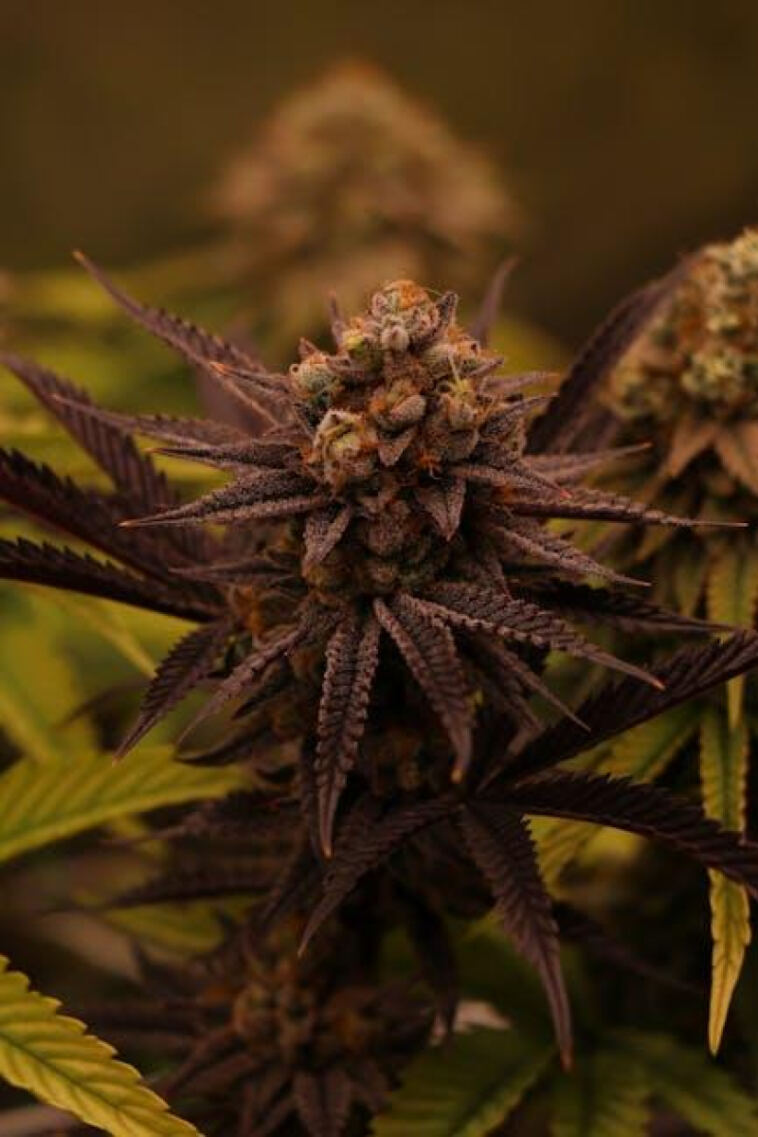
In the world of cannabis cultivation, the demand for organic, pesticide-free products is on the rise. As more and more consumers seek out natural alternatives, growers are turning to sustainable and eco-friendly methods of production. In this article, we will explore the tips and tricks for successfully cultivating organic cannabis without the use of harmful pesticides. From soil health to natural pest control, we will delve into the world of pesticide-free growth and how you can achieve a bountiful harvest without compromising on quality or sustainability. Join us as we uncover the secrets of organic cannabis cultivation and discover the joys of growing green.
– Understanding the Impact of Pesticides on Cannabis Cultivation
When it comes to cultivating cannabis, the use of pesticides can have a significant impact on the final product. Understanding the effects of pesticides on cannabis cultivation is crucial for ensuring a safe and high-quality end product.
One way to mitigate the impact of pesticides on cannabis cultivation is to opt for organic methods. By choosing pesticide-free growth techniques, you can ensure that your cannabis is free from harmful chemicals and residues. Organic cultivation not only benefits the health of consumers but also helps to preserve the environment.
Here are some tips for achieving pesticide-free growth in your cannabis cultivation:
- Implement Integrated Pest Management (IPM) techniques to control pests naturally.
- Use beneficial insects like ladybugs and predatory mites to protect your plants from pests.
- Rotate crops and practice good hygiene to prevent pest infestations.
– Natural Alternatives to Synthetic Pesticides for Organic Cannabis Growth
When it comes to growing organic cannabis, using natural alternatives to synthetic pesticides is not only better for the environment but also for the health of consumers. By following pesticide-free growth tips, you can ensure that your cannabis plants thrive without the use of harmful chemicals.
One natural alternative to synthetic pesticides is neem oil, which is derived from the neem tree. Neem oil is effective in controlling pests such as aphids, spider mites, and whiteflies, while also acting as a fungicide. Simply mix neem oil with water and spray it on your plants to keep pests at bay.
Another natural option is diatomaceous earth, which is a powdery substance made from fossilized algae. Diatomaceous earth works by dehydrating insects and pests, effectively killing them without the need for harmful chemicals. Sprinkle diatomaceous earth around the base of your plants to create a barrier against pests.
– Beneficial Insects: The Unsung Heroes of Pesticide-Free Cultivation
When it comes to organic cannabis cultivation, using beneficial insects can be a game-changer. These unsung heroes of pesticide-free growth can help control pests and maintain a healthy ecosystem in your garden. By introducing certain beneficial insects, you can reduce the need for harmful pesticides and chemicals, ultimately creating a more sustainable and natural environment for your plants to thrive.
One of the most popular beneficial insects used in organic cannabis cultivation is the ladybug. These colorful beetles are voracious predators of aphids, mites, and other harmful pests that can damage your plants. Ladybugs can be released directly onto your plants or purchased in bulk for larger operations. Here are some other beneficial insects to consider introducing to your garden:
- Green Lacewings
- Parasitic Wasps
- Predatory Mites
In addition to using beneficial insects, it’s essential to create a welcoming environment for these helpful critters. Planting a diverse range of flowers and herbs can attract beneficial insects to your garden and provide them with shelter and food sources. Consider planting the following flowers and herbs to help support a healthy ecosystem:
| Flowers | Herbs |
|---|---|
| Marigolds | Basil |
| Lavender | Thyme |
– Soil Health and Compost: Essential Elements for Pesticide-Free Cannabis Farming
When it comes to cultivating cannabis organically, prioritizing soil health and compost is key to achieving pesticide-free farming practices. By focusing on these essential elements, growers can ensure the health and vitality of their plants while minimizing the need for harmful chemicals.
One of the most important aspects of organic cannabis cultivation is maintaining healthy soil. Healthy soil provides the necessary nutrients for plant growth, promotes beneficial microbial activity, and helps plants develop strong immune systems to fend off pests and diseases. Incorporating compost into the soil is a great way to improve its structure, increase water retention, and enhance nutrient availability for the plants.
Utilizing compost in cannabis farming not only benefits the plants but also contributes to environmental sustainability. By recycling organic materials to create compost, growers can reduce waste, lower their carbon footprint, and support a more eco-friendly agricultural system. Below is a simple compost recipe that growers can use to enrich their soil:
| Ingredients | Instructions |
|---|---|
| Green waste (grass clippings, fruit/vegetable scraps) | Layer with brown materials in a compost bin |
| Brown waste (leaves, shredded paper) | Keep moist and turn regularly |
| Water | Aerate pile to promote decomposition |
– Crop Rotation and Companion Planting: Strategies for Sustainable Pest Management in Organic Cannabis Cultivation
When it comes to organic cannabis cultivation, implementing crop rotation and companion planting techniques can be highly beneficial for sustainable pest management. By rotating crops in your garden, you can disrupt the life cycles of pests and prevent them from building up in your soil. This practice also helps to improve soil health and fertility over time.
Companion planting involves strategically planting different species of plants together to benefit each other in various ways. For example, planting aromatic herbs like basil and mint around cannabis plants can help to deter pests such as aphids and spider mites. Additionally, planting nitrogen-fixing plants like legumes can help improve soil quality and provide essential nutrients for your cannabis plants.
By incorporating a variety of plants in your garden and rotating crops each season, you can create a natural ecosystem that supports pest control without the use of harmful pesticides. Not only does this approach promote environmental sustainability, but it also enhances the overall health and quality of your organic cannabis cultivation.
Q&A
Q: What are the benefits of organic cannabis cultivation?
A: Organic cannabis cultivation offers a more natural and sustainable approach to growing cannabis, free from harmful pesticides and chemicals that can affect both the environment and consumers.
Q: How can I transition my current cannabis cultivation methods to organic?
A: Transitioning to organic cannabis cultivation involves switching to organic soil, nutrients, and pest control methods. It may take time and effort, but the benefits of pesticide-free growth are worth it.
Q: What are some pesticide-free growth tips for organic cannabis cultivation?
A: Some tips for pesticide-free growth include using beneficial insects for pest control, practicing crop rotation, and regularly inspecting plants for signs of pests or disease. Additionally, choosing resistant cannabis strains can help prevent pest infestations.
Q: How can I ensure the quality of my organic cannabis products?
A: To ensure the quality of your organic cannabis products, it’s important to monitor plant health, test soil quality, and maintain a clean growing environment. By following organic cultivation practices, you can produce high-quality cannabis without the use of harmful chemicals.
Q: Are there any regulations or certifications for organic cannabis cultivation?
A: While organic cannabis cultivation is not yet regulated in the same way as organic food production, there are certifications available, such as Certified Kind and Clean Green Certified, that can help consumers identify trusted organic cannabis products. It’s important to do your research and choose reputable sources for organic cannabis products.
Wrapping Up
In conclusion, organic cannabis cultivation offers a way to ensure pesticide-free and sustainable growth of your plants. By following the tips and techniques outlined in this article, you can achieve a higher quality harvest while also protecting the environment and your health. So why not give organic cultivation a try and experience the benefits for yourself? Happy growing!